
Essential Diesel Truck Tips for Longevity and Performance
- Michael Rizk
- Feb 20
- 4 min read
Owning a diesel truck is a smart investment, especially if you rely on it for heavy-duty work around central Oregon. To keep your diesel truck running smoothly and extend its lifespan, you need to follow some key maintenance practices. These simple steps will help you avoid costly repairs and downtime, ensuring your truck stays reliable on the job.
Key Diesel Truck Tips to Keep Your Vehicle in Top Shape
Maintaining a diesel truck requires attention to detail and regular care. Here are some practical tips that will help you protect your investment:
Regular Oil Changes: Diesel engines work harder and produce more soot than gasoline engines. Change your oil and oil filter every 5,000 to 7,500 miles, or as recommended by your truck’s manufacturer. Using high-quality synthetic oil can improve engine performance and longevity.
Check and Replace Air Filters: A clean air filter ensures your engine breathes properly. Inspect it every 10,000 miles and replace it if it looks dirty or clogged. This simple step improves fuel efficiency and reduces engine wear.
Monitor Coolant Levels: Diesel engines generate a lot of heat. Keep your coolant at the right level and use the correct type for your truck. Flush and replace coolant every two years to prevent corrosion and overheating.
Inspect Belts and Hoses: Look for cracks, fraying, or leaks in belts and hoses. Replace any damaged parts immediately to avoid breakdowns.
Keep Your Fuel System Clean: Diesel fuel can contain impurities that clog injectors and filters. Use a fuel additive periodically to clean the system and improve combustion.
Check Tire Pressure and Tread: Proper tire maintenance improves safety and fuel economy. Check tire pressure monthly and inspect tread depth regularly.

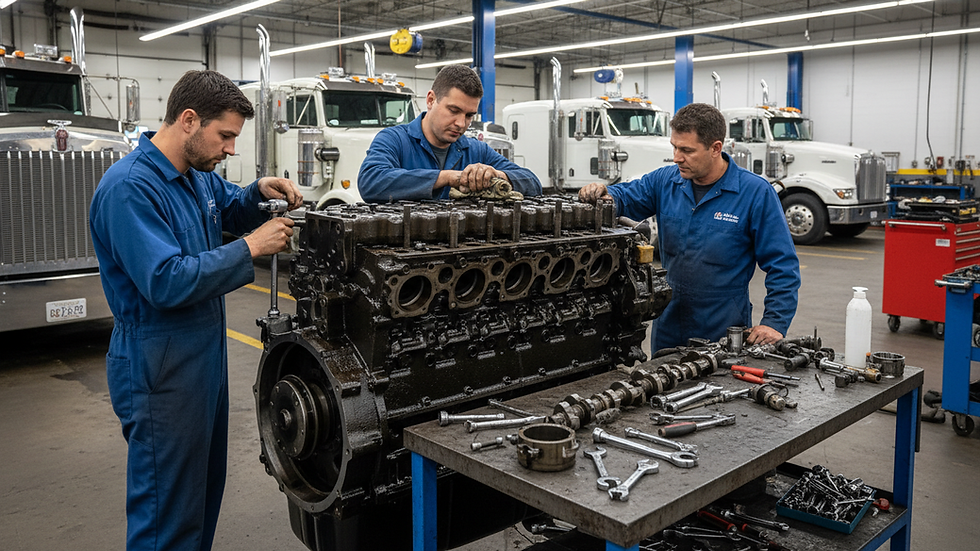
Keep your engine components clean and well-maintained for better performance.
How Long Can Diesel Sit in a Truck Before It Goes Bad?
Diesel fuel is more stable than gasoline but it still has a shelf life. Typically, diesel can sit in your truck’s tank for 6 to 12 months before it starts to degrade. Factors like temperature, moisture, and exposure to air can shorten this period.
If you don’t use your truck regularly, consider these tips:
Use Fuel Stabilizers: Additives can extend diesel’s shelf life by preventing oxidation and microbial growth.
Keep the Tank Full: A full tank reduces air space, limiting moisture buildup and contamination.
Drain and Replace Old Fuel: If diesel has been sitting for over a year, drain the tank and refill with fresh fuel to avoid engine problems.
Store in a Cool, Dry Place: If possible, park your truck in a garage or shaded area to reduce temperature fluctuations.
By managing your fuel properly, you can avoid clogged filters and injector damage that lead to costly repairs.
Essential Fluid Checks and Replacements for Diesel Trucks
Fluids are the lifeblood of your diesel truck. Regularly checking and replacing them keeps your truck running smoothly:
Transmission Fluid: Check levels monthly and replace according to your truck’s service schedule. Dirty transmission fluid can cause shifting problems and damage.
Brake Fluid: Inspect brake fluid every 6 months. Low or contaminated brake fluid reduces braking efficiency and safety.
Power Steering Fluid: Check monthly and top off as needed. Leaks or low fluid can make steering difficult.
Differential and Axle Fluids: These lubricate gears and bearings. Change them every 30,000 to 60,000 miles depending on your truck’s use.
Windshield Washer Fluid: Keep this topped off for clear visibility, especially in Oregon’s rainy seasons.
Regular fluid maintenance prevents breakdowns and keeps your truck operating at peak efficiency.

Monitor your truck’s fluid levels regularly to avoid unexpected issues.
Tire Care and Suspension Maintenance for Heavy-Duty Use
Your truck’s tires and suspension take a beating on construction sites and highways. Proper care here is crucial:
Rotate Tires Regularly: Rotate tires every 6,000 to 8,000 miles to ensure even wear.
Check Alignment and Balance: Misaligned wheels cause uneven tire wear and reduce fuel efficiency. Have alignment checked annually or if you notice pulling.
Inspect Suspension Components: Look for worn shocks, struts, and bushings. Replace damaged parts to maintain ride comfort and handling.
Use the Right Tires: Choose tires designed for your truck’s load and terrain. Heavy-duty tires with reinforced sidewalls last longer under tough conditions.
Taking care of tires and suspension improves safety and reduces maintenance costs over time.
Protecting Your Diesel Truck from Oregon’s Weather and Terrain
Central Oregon’s climate and terrain can be tough on diesel trucks. Here’s how to protect your vehicle:
Wash Your Truck Regularly: Dirt, mud, and road salt can cause rust and corrosion. Wash your truck thoroughly, especially the undercarriage.
Apply Rust Protection: Use rust-proof coatings or sprays on vulnerable areas to prevent corrosion.
Inspect and Seal Windows and Doors: Prevent water leaks that can damage interiors and electronics.
Use Engine Block Heaters in Winter: Cold starts can strain your diesel engine. A block heater warms the engine for easier starting and less wear.
Store Your Truck Properly: When not in use, park in a covered area or use a high-quality truck cover to protect from sun and rain.
By taking these steps, you’ll keep your diesel truck looking good and running reliably through all seasons.
Maintaining your diesel truck doesn’t have to be complicated. By following these practical diesel truck maintenance tips, you’ll extend your truck’s life and keep it ready for any job. Regular care, timely inspections, and smart storage practices make all the difference in protecting your investment.
For more detailed advice and professional support, check out these diesel truck maintenance tips to keep your vehicle in peak condition.
Stay safe and keep your diesel truck running strong!


Comments