
Essential Diesel Truck Tips for Longevity and Performance
- Michael Rizk
- 5 days ago
- 4 min read
Owning a diesel truck is a smart investment, especially when you rely on it for heavy-duty work around central Oregon. To keep your diesel truck running smoothly and extend its lifespan, you need to follow a solid maintenance routine. This guide will walk you through practical, easy-to-follow diesel truck tips that help you avoid costly repairs and downtime.
Whether you operate a fleet or own a single diesel-powered vehicle, these insights will empower you to take better care of your truck. Let’s dive into the key areas you should focus on to keep your diesel truck in top shape.
Key Diesel Truck Tips to Keep Your Engine Running Strong
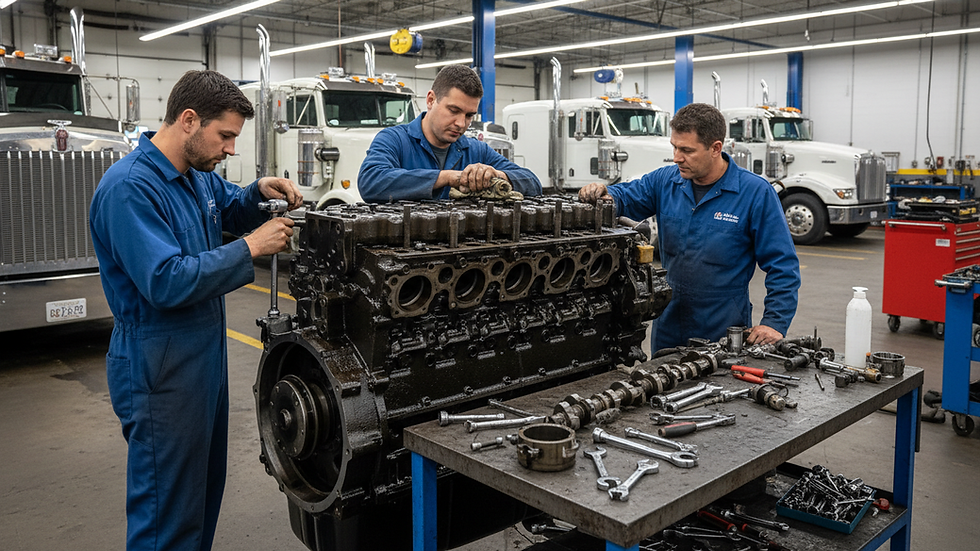
Diesel engines are built tough, but they still need regular care. Here are some essential diesel truck tips to help you maintain your engine and other critical components:
Regular Oil Changes: Diesel engines generate more soot and contaminants than gasoline engines. Change your oil and oil filter every 5,000 to 7,500 miles or as recommended by your manufacturer. Using the right oil grade is crucial for protecting engine parts.
Fuel Filter Replacement: Diesel fuel can contain impurities that clog filters. Replace your fuel filter every 15,000 to 25,000 miles to prevent fuel system damage.
Air Filter Maintenance: A clean air filter ensures your engine breathes well. Check it every 10,000 miles and replace it if it looks dirty or clogged.
Coolant System Checks: Diesel engines run hotter, so maintaining the cooling system is vital. Flush and replace coolant every 2 years or 30,000 miles to avoid overheating.
Inspect Belts and Hoses: Look for cracks, fraying, or leaks. Replace worn belts and hoses promptly to prevent breakdowns.
By following these tips, you’ll reduce wear and tear and keep your diesel truck performing at its best.

How to Maintain Your Diesel Truck’s Transmission and Brakes
Your diesel truck’s transmission and brakes are just as important as the engine. Proper maintenance here ensures safety and smooth operation:
Transmission Fluid: Check the transmission fluid level and condition regularly. Change it every 30,000 to 60,000 miles depending on your truck’s usage. Dirty fluid can cause shifting problems and damage.
Brake Inspection: Diesel trucks are heavy, so brakes wear faster. Inspect brake pads, rotors, and lines every 10,000 miles. Replace worn pads and check for leaks in brake lines.
Clutch Care (Manual Transmissions): Avoid riding the clutch and shift gears smoothly to extend clutch life. If you notice slipping or difficulty shifting, have it checked immediately.
Routine checks and timely replacements will keep your truck safe and reliable on the road.
How long can diesel sit in a truck before it goes bad?
Diesel fuel doesn’t last forever. When diesel sits unused in your truck’s tank, it can degrade and cause engine problems. Here’s what you need to know:
Typical Shelf Life: Diesel fuel can last about 6 to 12 months if stored properly in a clean, sealed tank.
Factors Affecting Diesel Quality: Exposure to heat, moisture, and air speeds up degradation. Water contamination can lead to microbial growth, clogging filters and injectors.
Preventive Measures: Use fuel stabilizers if you expect your truck to sit idle for more than a month. Keep your fuel tank full to reduce condensation and moisture buildup.
Signs of Bad Diesel: Hard starting, rough idling, and loss of power can indicate fuel problems. If you suspect bad diesel, drain and replace the fuel.
Keeping your diesel fresh is key to avoiding costly repairs and downtime.

The Importance of Tire and Suspension Maintenance for Diesel Trucks
Your diesel truck’s tires and suspension take a beating on construction sites and highways. Proper care here improves safety and fuel efficiency:
Tire Pressure: Check tire pressure weekly. Underinflated tires wear unevenly and reduce fuel economy. Use a reliable gauge and inflate to the manufacturer’s recommended PSI.
Tire Tread: Inspect tread depth regularly. Replace tires when tread is below 4/32 inch to maintain traction and safety.
Wheel Alignment and Balancing: Misaligned wheels cause uneven tire wear and handling issues. Have alignment checked annually or if you notice pulling to one side.
Suspension Components: Inspect shocks, struts, and bushings for wear or leaks. Replace damaged parts to maintain ride comfort and control.
Well-maintained tires and suspension keep your truck stable and reduce repair costs.
Keeping Your Diesel Truck’s Electrical System in Check
Modern diesel trucks rely heavily on electrical systems for performance and diagnostics. Here’s how to keep yours in good shape:
Battery Care: Check battery terminals for corrosion and clean them as needed. Test battery voltage regularly, especially before winter.
Alternator and Starter: Listen for unusual noises and check for slow engine cranking. Have these components tested if you experience electrical issues.
Lighting and Signals: Regularly inspect headlights, brake lights, and turn signals. Replace bulbs promptly to ensure safety and compliance.
Wiring Inspection: Look for frayed or damaged wires, especially in areas exposed to heat or vibration. Repair or replace damaged wiring to avoid shorts.
A reliable electrical system supports your truck’s performance and safety features.
Final Thoughts on Diesel Truck Care for Long-Term Use
Taking care of your diesel truck is not just about fixing problems when they arise. It’s about proactive maintenance that saves you time and money. By following these diesel truck tips, you’ll enjoy a dependable vehicle that handles tough jobs without frequent breakdowns.
Remember to keep a maintenance log, schedule regular inspections, and address small issues before they become big headaches. Your diesel truck is a valuable asset - treat it well, and it will serve you faithfully for years to come.
For more detailed advice, check out these diesel truck maintenance tips to keep your truck running strong.
By investing a little time and effort into your diesel truck’s upkeep, you ensure it stays ready for the demanding work ahead. Stay safe and keep your wheels turning smoothly!


Comments